 Sardines
Are Sardines Sustainable? The Straight Answer
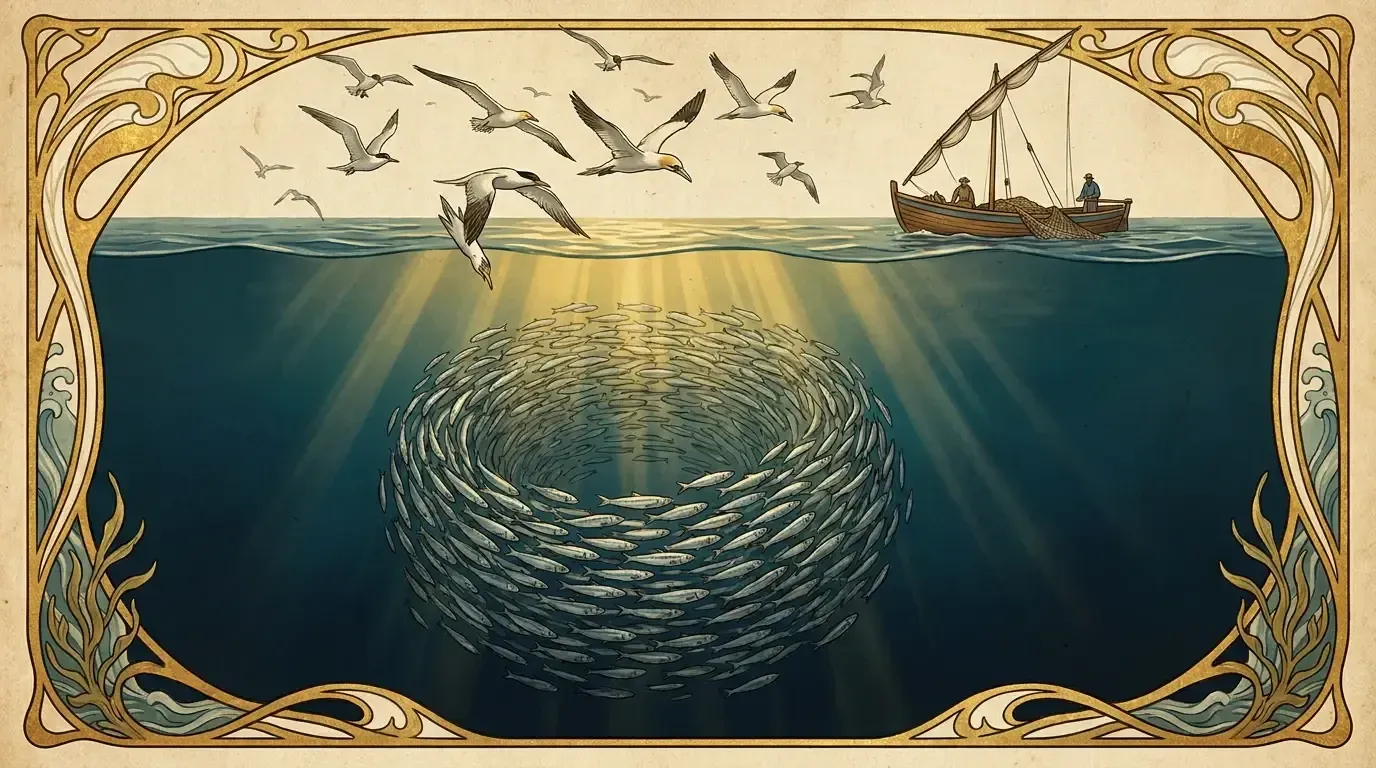
Short answer: yes — sardines are among the most sustainable animal proteins you can buy. Long answer: sustainability lives stock-by-stock, sardine populations naturally boom and bust, and the difference between a responsible tin and a careless one is printed right on the label if you know where to look.
Why sardines start with a huge ecological advantage
- They eat sunlight, almost. Sardines feed on plankton — no wild fish is ground into feed to raise them, unlike farmed salmon.
- They reproduce fast. Short lives and early maturity mean stocks can rebuild quickly under good management.
- Low-bycatch fishing. Purse seining tight schools of a single species catches remarkably little else — no trawled seabed, minimal discard.
- Tiny carbon footprint. Per gram of protein, small pelagic fish rank near the very bottom of food-emissions charts — below chicken, far below beef, and the tin itself is endlessly recyclable steel or aluminum.
The caveat: boom and bust
Sardine stocks swing naturally with ocean cycles — and fishing pressure can turn a downswing into a collapse. It has happened: California's sardine boom fed Cannery Row and then vanished mid-century, and the Pacific fishery has seen closures in recent memory. Closer to our rankings' heartland, the Iberian (Portugal–Spain) stock hit lows in the 2010s, and regulators imposed strict quotas that shortened seasons and raised prices — painful, and it worked: scientific advice has allowed catches to rise again as the stock recovered. The lesson: sardines are renewable, not infinite, and management is what keeps the tins coming.
How to buy responsibly: read the tin
| Signal | What it tells you |
|---|---|
| MSC blue label | Independently certified sustainable fishery — the strongest common signal. |
| Friend of the Sea | Another third-party scheme common on European tins. |
| Named catch zone & method | "Purse-seine caught off the Portuguese coast" beats "wild caught" beats silence. |
| Traditional cannery, local fish | Houses like Pinhais buy from the morning market next door — short chains are accountable chains. |
Several brands in our rankings lead with sustainability — Wild Planet built its brand on it, and the premium Iberian houses live directly on the health of their local stock.
Our position: eating sardines instead of large predators or land meat is one of the easiest genuinely green swaps in food. Do it with tins that name their fishery, and it's a choice the ocean can sustain. We track stock and season news on our Season Watch page.
Frequently asked questions
Are sardines overfished?
Most sardine fisheries are considered well-managed today, but stocks naturally fluctuate. California's collapse is the cautionary tale; Iberia's quota-driven recovery is the success story. It's stock-by-stock, never universal.
What certification should I look for?
MSC's blue label is the strongest widely-used signal; Friend of the Sea is common too. A named fishing zone and method is the next best thing.
Are sardines better for the planet than salmon or tuna?
Generally yes, by a wide margin — plankton diet, fast reproduction, low-bycatch catch methods, and one of the lowest carbon footprints per gram of protein in the animal kingdom.