 Sardines
The 3-Day Sardine Fast: What It Is, What It Does, and How to Do It Sensibly
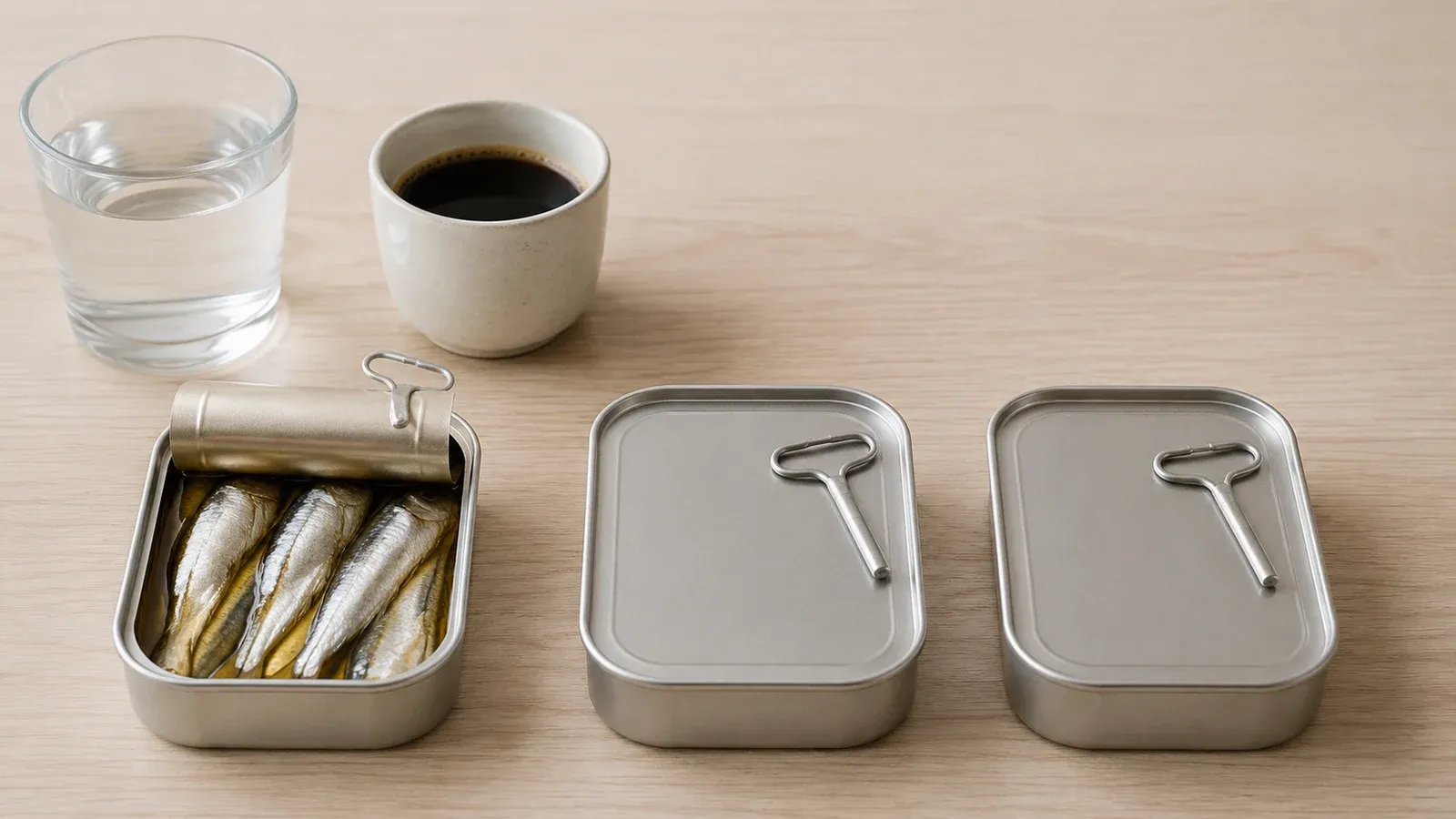
Every so often the internet rediscovers the sardine, and the current rediscovery is dramatic: seventy-two hours, nothing but tins. The 3-day sardine fast has traveled from keto forums to TikTok to Newsweek, and as the site that takes sardines seriously, we owe it a serious answer — what it actually is, what it measurably does, what's marketing, and how to do it sensibly if you choose to.
One thing before anything else: this is an editorial explainer, not medical advice. A 3-day single-food protocol is a real physiological intervention. If you have any health condition or take any medication, talk to your doctor before trying it.
Short version: the sardine fast is a 72-hour ketogenic exercise wearing a sardine costume. It reliably puts most people into nutritional ketosis by day one, kills appetite by day two, and drops a few pounds — most of it water weight that returns. It is unstudied as a protocol, the autophagy claims are shaky, and a meaningful list of people shouldn't do it at all. Done sensibly by a healthy adult, it's a structured short experiment — and the best outcome, which happens constantly, is discovering you actually like sardines.
Where it came from
The idea traces to strength-training scientist Dr. Frederick Hatfield, who in 2012, after a cancer diagnosis, used an all-sardine stretch to push his body into a strict ketogenic state as fast as possible. Years later, physician Dr. Annette Bosworth ("Dr. Boz") packaged the idea as a 3-day "sardine challenge" — a metabolism jump-start for people whose weight loss had stalled — and social media did the rest.
Why sardines, of all foods? Because if you're going to eat one food for three days, it's hard to pick a better one: essentially zero carbohydrate, complete protein, built-in omega-3 fat, vitamin D, B12, calcium from the soft bones, and almost no mercury — all shelf-stable, portion-controlled, and requiring zero cooking (and therefore zero kitchen temptation).
The protocol
The rules are almost the whole appeal — there's nothing to weigh, plan, or decide:
- Eat only canned sardines for 72 hours. Whole fish, in water or olive oil.
- Drink water, black coffee, or unsweetened tea. Nothing else.
- How much: stricter versions run 1–2 tins a day; most people settle between 3 and 5 tins (~600–1,100 calories); some go to 6. Eat when genuinely hungry rather than to a schedule — carbohydrate elimination, not calorie heroics, is the mechanism.
- No seasonings in the purist version; the pragmatic version allows lemon, pepper, or hot sauce with no sugar. Choose your camp.
- Three days and out. Then return — ideally to a more sardine-friendly version of normal eating.
What actually happens, day by day
One of the few people to publish real measurements, health coach Kait Malthaner, tracked blood ketones through the full 72 hours, and her data matches the pattern most people report. Day one is the price of admission: ketones cross the 1.0 mmol/L threshold into nutritional ketosis within roughly 24 hours, but the carb withdrawal brings the familiar "keto flu" — fog, headache, low energy, and real hunger. Days two and three are why people finish: hunger largely disappears (ketones suppress appetite), energy steadies, and many report an oddly focused calm. By hour 72 her ketones sat at 1.5–2.0 mmol/L — a solid fasting-mimicking state reached while still eating actual food, which is precisely the trick: protein and fat keep you functional while carbohydrate absence does the metabolic work.
What the evidence supports — and what it doesn't
Real: rapid entry into nutritional ketosis (measured, repeatedly); a large calorie deficit; 2–5 pounds lost over the three days; genuine appetite suppression; and lower insulin exposure for the duration. And separate from any fasting, the underlying food is legitimately excellent — regular sardine eating is associated with better blood pressure and lower type-2 diabetes risk in observational research.
The asterisks: most of the weight is water, released as glycogen depletes, and some returns immediately after. No peer-reviewed study has tested the sardine fast itself — everything above is extrapolated from ketogenic-diet research and self-reported data. And the autophagy claim, the protocol's most-shared selling point, is its weakest: autophagy is triggered by true fasting, and 60-plus daily grams of protein — which this protocol delivers — likely suppresses it. Nobody has measured it. We'd love it to be true; wanting isn't evidence.
The quietly true benefit: as Noom's dietitian Maggie Hudspeth put it, if the fast "makes someone realize that sardines are a great food and they start including them in their diet, that's a genuinely good outcome." Three days is a demo, not a destination. The demonstrated, durable benefits belong to eating sardines regularly, not to eating them exclusively.
Who should not do this
This list is not fine print — it's the most important section on the page. Do not attempt the sardine fast if you are pregnant or breastfeeding; have diabetes (especially on glucose-lowering medication — a sudden zero-carb diet can cause dangerous lows); have kidney disease, gout or a history of high uric acid (three days of concentrated purines is a genuine flare risk); have uncontrolled blood pressure (the sodium load is real: 3–5 standard tins can more than double a day's recommended sodium); have any history of disordered eating (three-day restriction protocols are exactly the wrong tool); or take medications that require food. Expect zero fiber for three days — constipation is the most-reported side effect — and if you experience dizziness, fainting, palpitations, or persistent headache, stop eating tins and eat a normal meal. No trend is worth a fainting episode.
The shopping list
If you've cleared it with yourself (and, where relevant, your doctor), do the tins right — you'll eat 9 to 15 of them, and three days is a long time to regret a bulk purchase. Our recommended mix:
The base — water-packed, no salt added (5–6 tins). These manage your sodium budget, which is the protocol's most solvable problem. Where to buy Wild Planet no-salt sardines or Where to buy Season sardines in water — the same tins we recommend in the budget guide, doing quiet, reliable work.
The satisfaction layer — olive oil (4–6 tins). The fat is the point: satiety, steady energy, and morale. Where to buy King Oscar brisling brings genuine quality at a fair price; Where to buy Season sardines in olive oil is the value play.
The day-3 treat (1–2 tins). By the seventh consecutive tin, quality stops being a luxury. One properly good Portuguese tin — a Nuri, a Pinhais — turns the hardest stretch into something you'll almost enjoy. See the full ranking for the short list.
Skip entirely: brine (sodium), every sauce (sodium and sugar), and skinless-boneless tins (you're giving up the calcium for no reason).
The verdict
The 3-day sardine fast is neither the metabolic miracle its evangelists sell nor the menace its critics imply. It's a short, cheap, unusually well-nourished ketogenic exercise: real ketosis, real appetite reset, mostly-temporary weight change, unproven grander claims, and a hard no for a specific list of people. As sardine partisans, our verdict is predictable but sincere: the fast is the least interesting thing you can do with a case of sardines. If three days of tins introduces you to the fish, the fast has done its best work — the version with decades of evidence behind it is the tin or two a week you eat afterward, twelve better ways.
This guide is editorial, based on the published sources below. It is not medical advice, and it is not a recommendation to fast. Talk to your doctor before any restrictive protocol, especially with any existing condition or medication.
Sources & further reading
- Patient.info — Everything you should know about the 3-day sardine fast (expert-quoted: Dr. Meena Malhotra; Dr. Wesley Buckle)
- Noom — Sardine Fast: What It Is, Does It Work, and Is It Safe? (Maggie Hudspeth, RDN)
- Health Coach Kait — I Tried the Viral Sardine Fast: Metabolic Results and Ketone Data
- BozMD — Sardine fasting FAQ (origin protocol, claimed benefits)
- Newsweek — I Did a 3-Day Sardine Fast, the Results Were Impressive
Frequently asked questions
What is the 3-day sardine fast?
A short elimination protocol where you eat nothing but canned sardines — plus water, black coffee, or unsweetened tea — for 72 hours. It was designed to push the body quickly into nutritional ketosis. It isn't a true fast: you're eating real food, just only one food.
How many cans of sardines do you eat on the sardine fast?
Practice varies more than people admit. The stricter versions use 1–2 cans a day; most people land between 3 and 5 cans (roughly 600–1,100 calories); some eat up to 6. Listen to genuine hunger rather than forcing a number — the point is carbohydrate elimination, not starvation.
Does the sardine fast trigger autophagy?
This is the claim with the least behind it. Autophagy is stimulated by true fasting, and eating 60+ grams of protein a day — which the sardine fast delivers — likely blunts it. No study has measured autophagy on this protocol. If autophagy is your goal, this probably isn't your tool; treat that claim with skepticism.
How much weight do you lose on a 3-day sardine fast?
Reports cluster around 2–5 pounds, and the reality is most of that is water weight released as glycogen depletes — expect some of it back when you resume normal eating. The real, measurable change is metabolic: ketone levels typically cross into nutritional ketosis within the first day.
What are the best sardines for a sardine fast?
You'll eat 9–15 tins in 3 days, so variety and sodium management matter. Mix water-packed no-salt-added tins (to keep total sodium sane) with olive-oil tins (for fat, satiety, and morale), and make a couple of them a genuinely good tin — brisling or a Portuguese classic — because on day 3 the difference matters. Our shopping list below has exact picks.
Can you do the sardine fast for 5 days or longer?
The standard protocol is 72 hours, and the longer you extend a single-food diet, the more its downsides compound — zero fiber, concentrated sodium and purines, and mounting nutritional gaps. There is no research on extended versions. If you're drawn to longer protocols, that's a conversation for a doctor, not a trend.