 Sardines
Nuri Sardines Review: Why the World's Most Famous Tin Earns the Hype
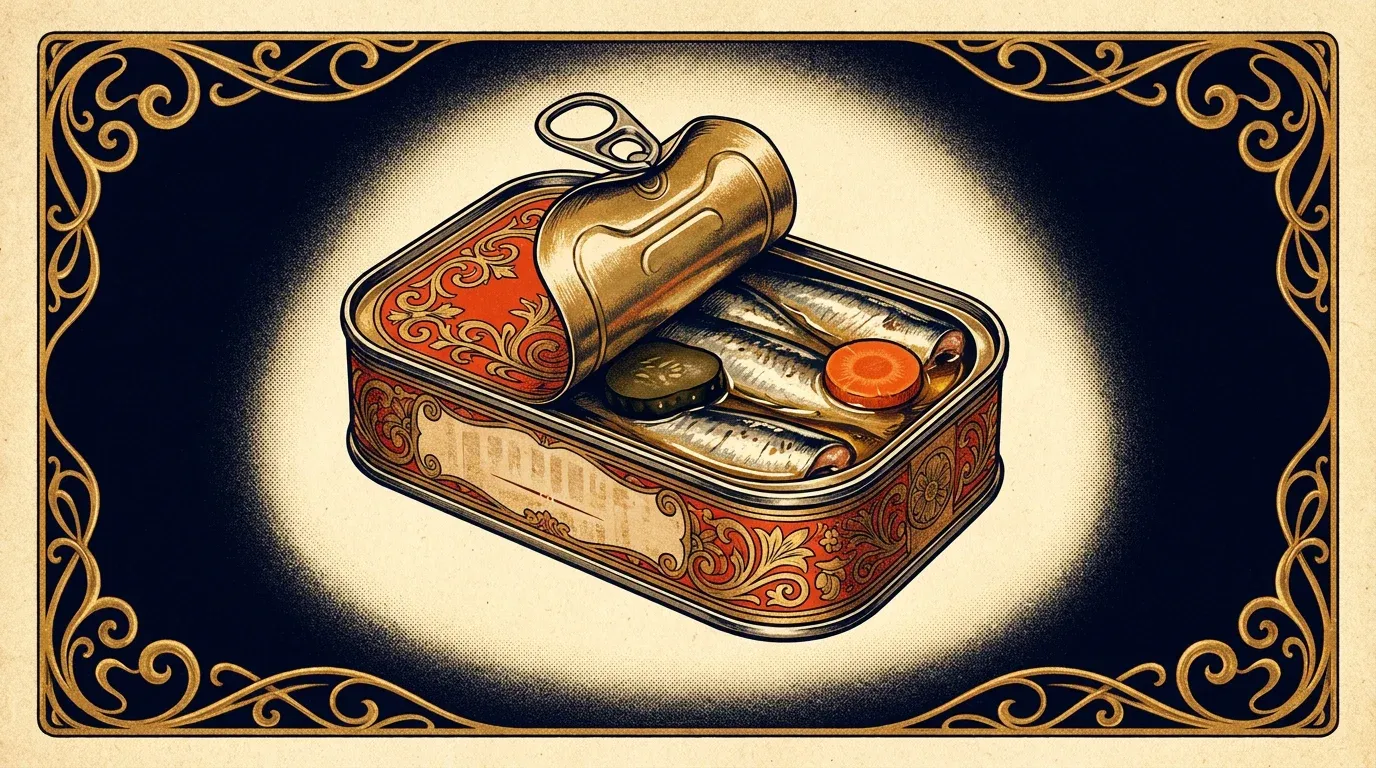
Nuri is the tin that turned a generation into sardine people — hand-packed in Matosinhos, Portugal since 1920, with a slice of pickle, a coin of carrot, and a whisper of chili in peppery olive oil. It is our #1 sardine in the world, and this review explains exactly why.
The cannery: a working museum in Matosinhos
Nuri comes from Conservas Pinhais, one of the last canneries on earth still running the fully traditional method. Fresh sardines arrive from the morning market; they are washed, brined, and cooked before canning (the old way — most industrial producers cook the fish inside the sealed tin), then packed entirely by hand, one fish at a time, by workers whose mothers and grandmothers often did the same job in the same room. The factory has run essentially unchanged for over a century, and tours of it operate like a living museum of Portuguese conserveira culture.
What's in the tin
- Purse-seine-caught sardines from the Atlantic coast of Portugal
- Olive oil (the spiced version carries real warmth)
- One slice of pickled cucumber, one coin of carrot, a piece of chili, black peppercorns, a clove — placed by hand
The garnish isn't decoration. Over months in the tin, the pickle and spice slowly perfume the oil and fish — which is why conserva collectors deliberately age Nuri like wine.
How they taste
Firm, plump fillets with real structure — nothing mushy. The flesh is clean and sweet, the oil peppery and warm rather than hot, with the pickle adding a faint vinegary lift at the finish. Texture is where Nuri separates itself from nearly everything else on the shelf: hand-packing whole cooked fish preserves an integrity that machine-packed tins lose. Eaten simply on buttered bread, it is the single best argument for the entire category.
The famous wrapper
Each tin is hand-wrapped in printed paper — the design essentially unchanged since the 1920s — and has become an object in its own right: people frame the wrappers. As pantry art and as a gift, nothing in tinned fish matches it.
Value: expensive for a sardine, cheap for what it is
Nuri typically runs $8–12 per tin in the US — several times a supermarket tin. Against restaurant seafood, it's a bargain: this is a century-old craft product, hand-made from fish to wrapper. Our advice for newcomers: buy one Nuri and one mid-priced tin from our rankings, taste them side by side, and let your palate decide whether the gap justifies the price. (It usually does.)
Verdict — 9.6/10. The benchmark. If you buy one tin from our world rankings, buy this one. If you love it, its unspiced sibling from the same cannery, Pinhais, is the natural second purchase.
Frequently asked questions
Are Nuri sardines worth the price?
For anyone curious about what sardines can be, yes. The hand-packing, traditional pre-cooking, and spiced olive oil produce a texture and flavor that supermarket tins don't approach.
What is the difference between Nuri and Pinhais?
Same century-old cannery, same fish, same method. Nuri carries the spiced garnish (pickle, carrot, chili); Pinhais is the plain olive-oil version — no spice, all finesse.
Do Nuri sardines get better with age?
Many conserva enthusiasts age tins one to three years, turning them occasionally; the oil and spice slowly deepen the flavor. Store cool and check the tin's best-by date.
Where can I buy Nuri sardines?
Specialty tinned-fish shops, well-stocked gourmet grocers, and online retailers. Availability fluctuates — the cannery's hand production is genuinely limited.